BOREHOLE DRILLING & WATER TREATMENT
Boreholes are more than water points — they are lifelines that transform health, empower women, strengthen education, and build resilience against poverty and climate change.
? Role of Boreholes in Improving Community Health
- Access to Safe & Clean Water
- Boreholes tap into underground aquifers, providing clean, pathogen-free water compared to surface sources (rivers, ponds).
- Directly reduces waterborne diseases such as cholera, typhoid, dysentery, and diarrhea.
- Boreholes tap into underground aquifers, providing clean, pathogen-free water compared to surface sources (rivers, ponds).
- Improved Hygiene & Sanitation
- With reliable water nearby, households practice better hygiene (handwashing, cleaning, sanitation).
- Supports healthier schools, health centers, and households.
- With reliable water nearby, households practice better hygiene (handwashing, cleaning, sanitation).
- Reduced Burden on Women & Children
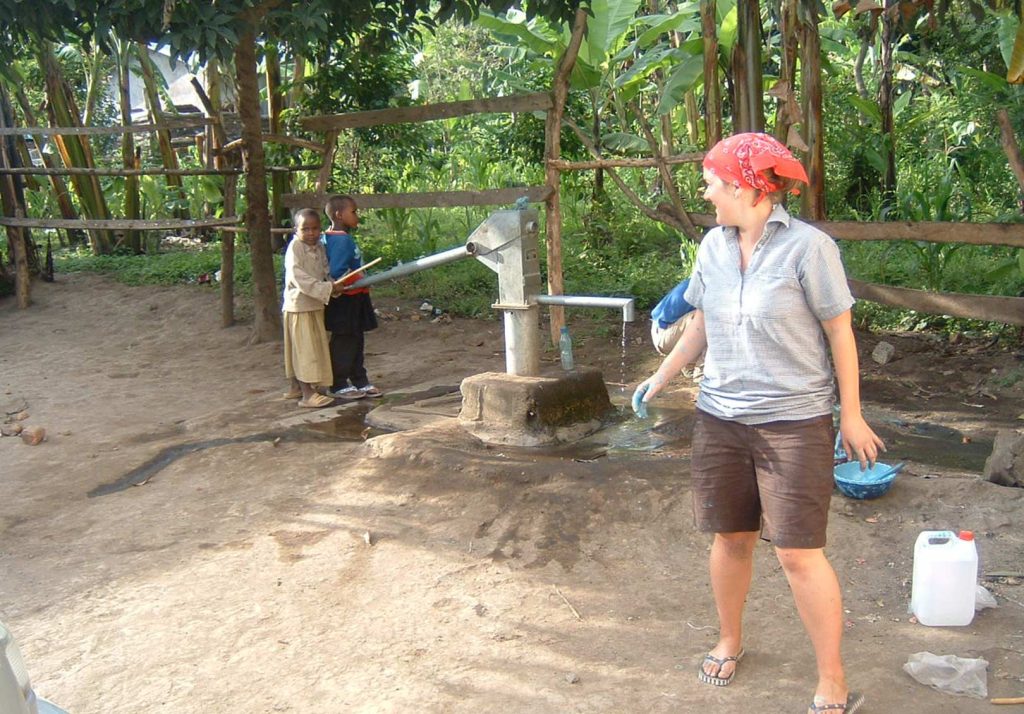
- In many communities, women and girls walk long distances to fetch water.
- Boreholes closer to homes save time and energy, allowing girls to stay in school and women to engage in productive activities.
- In many communities, women and girls walk long distances to fetch water.
- Nutrition & Food Security
- Clean water supports kitchen gardens, livestock, and food prep.
- Less contamination in food and cooking, leading to better health.
- Clean water supports kitchen gardens, livestock, and food prep.
- Community Resilience
- Boreholes provide a reliable water source during droughts or dry seasons, strengthening community resilience against climate shocks.
- Boreholes provide a reliable water source during droughts or dry seasons, strengthening community resilience against climate shocks.
? Impact on Community Health & SDGs
- Health Outcomes: Significant reduction in child mortality and morbidity linked to unsafe water.
- Education: Girls stay in school instead of spending hours fetching water.
- Livelihoods: Families save medical costs, boosting household income stability.
- Empowerment: Women gain more time for income-generating or community activities.
SDG Alignment:
- SDG 3: Good Health & Well-Being – reduces disease burden.
- SDG 4: Quality Education – supports girls’ education.
- SDG 5: Gender Equality – eases women’s water-fetching burden.
- SDG 6: Clean Water & Sanitation – direct achievement of safe water access.
- SDG 13: Climate Action – builds resilience to drought.
- SDG 10: Reduced Inequalities – rural poor communities get equal access.